What is Process Engineered Fuel

Unrecyclable Material Bins

Thanks for using Enviro NZ’s unrecyclable material bins! If you are unsure what you can put in your bin, then please check the table below:

Acceptable:

· Clear or coloured plastic bottles and packaging (PET, PP, HDPE, LDPE)

· Soft flexible plastic film and bags (e.g. snack packs, shrink wrap, pallet wrap)

· Plasticised products that are out of spec, unrecyclable, obsolete or damaged

· Multi layered packaging including Tetra Pak, coffee cups, chip packets

· Labels and label backing

· Lightly contaminated paper or cardboard

· Plastic extrusion purgings

· Manufacturing processing waste

· Wadding and off cuts

· Un-stickered corflute

· Strapping (any metal removed)

· Product protection wrapping

· Polystyrene (foam or solid)

· Textiles and fabrics

· Car bumpers

· Mixed plastic products

· Clean PPE

· Piping

· PP bags (woven)


Unacceptable:

· Anything labelled as vinyl or PVC (flooring, wall coverings, cable insulation, banners, coated fabrics etc)

· Odorous or wet materials

· Food waste

· Recyclable materials

· Non-shredable materials eg rocks, concrete, glass, metals

· Asbestos or other hazardous waste

· Medical waste

· E-waste (electronics, cables, circuit boards, computer parts, batteries)

If you’re still not sure whether a material is acceptable, please reach out to your Enviro NZ contact for advice before sending.

FAQ

Info Icon

What happens to my waste?

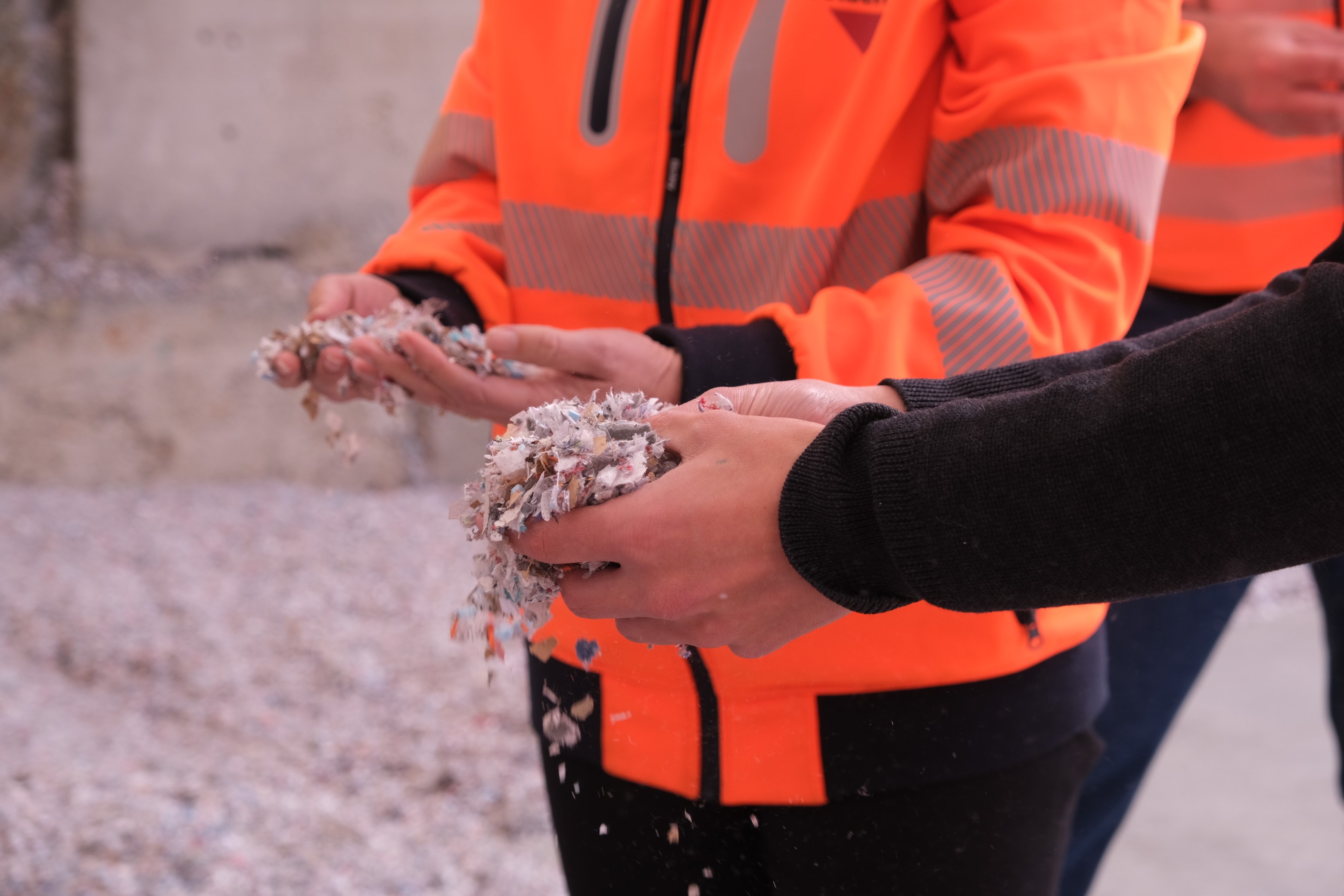
Waste collected from Enviro NZ’s Unrecyclable Material bins will be taken to our Pokeno site and turned into Process Engineered Fuel (PEF). PEF is a reliable, consistent fuel that’s already powering cement kilns as an alternative to imported coal. This New Zealand first is a practical step forward: cutting waste, reducing our reliance on fossil fuels, and giving materials a second life. Together, we can keep thousands of tonnes of unrecyclable plastics and other recoverable materials out of landfill every year. It’s a simple, immediate way to shrink your footprint while supporting a more sustainable energy source for New Zealand.

Info Icon

How it works

We identify and collect unrecyclable materials, then process and blend them using world-leading technology. The end result is a stable, homogeneous fuel that meets strict quality standards— making it a dependable alternative for energy-intensive industries like cement production and power generation. Our fuel is designed for high-temperature industries like cement kilns. With strict environmental checks in place, you can be sure it’s safe, compliant, and effective.


Info Icon

Why PEF?

PEF is a stepping stone on the path to a circular economy and accelerates this transition.

• Waste reduction – diverts thousands of tonnes of residual waste away from landfill.

• Coal replacement – provides a sustainable, local alternative to imported fossil fuels.

• Lower emissions – reduces greenhouse gas emissions compared to coal and gas.

• Better reporting – helps businesses hit their waste reduction targets and demonstrate measurable waste-to-energy outcomes.


Info Icon

Is PEF Safe?

At Enviro NZ, we are committed to ensuring that all waste-derived fuels for industrial use meet the highest environmental and public safety standards.

Enviro NZ’s PEF is used exclusively in Golden Bay’s cement kiln. Cement kilns have attributes that make them a safe user of PEF:

• High temperatures – Golden Bay’s kiln operates at over 1,600 degrees, much hotter than Waste to Energy facilities

• Inherent filtration – cement production involves powdered limestone which absorbs contaminants in gas before it leaves the process

• Zero by-product – all PEF ash is absorbed into the cement

• Reduced emissions – All PEF Enviro NZ sends to Golden Bay directly displaces coal.

The use of Process Engineered Fuel (PEF) at Golden Bay is tightly regulated under Northland Regional Council resource consent, which includes strict safeguards to prevent harmful emissions.